The ONCE JournalTravel · The wild
Four wild places, and when to go.
A dune sea, a delta, granite towers and the High Arctic. Each has its season, and the season is the whole trip.
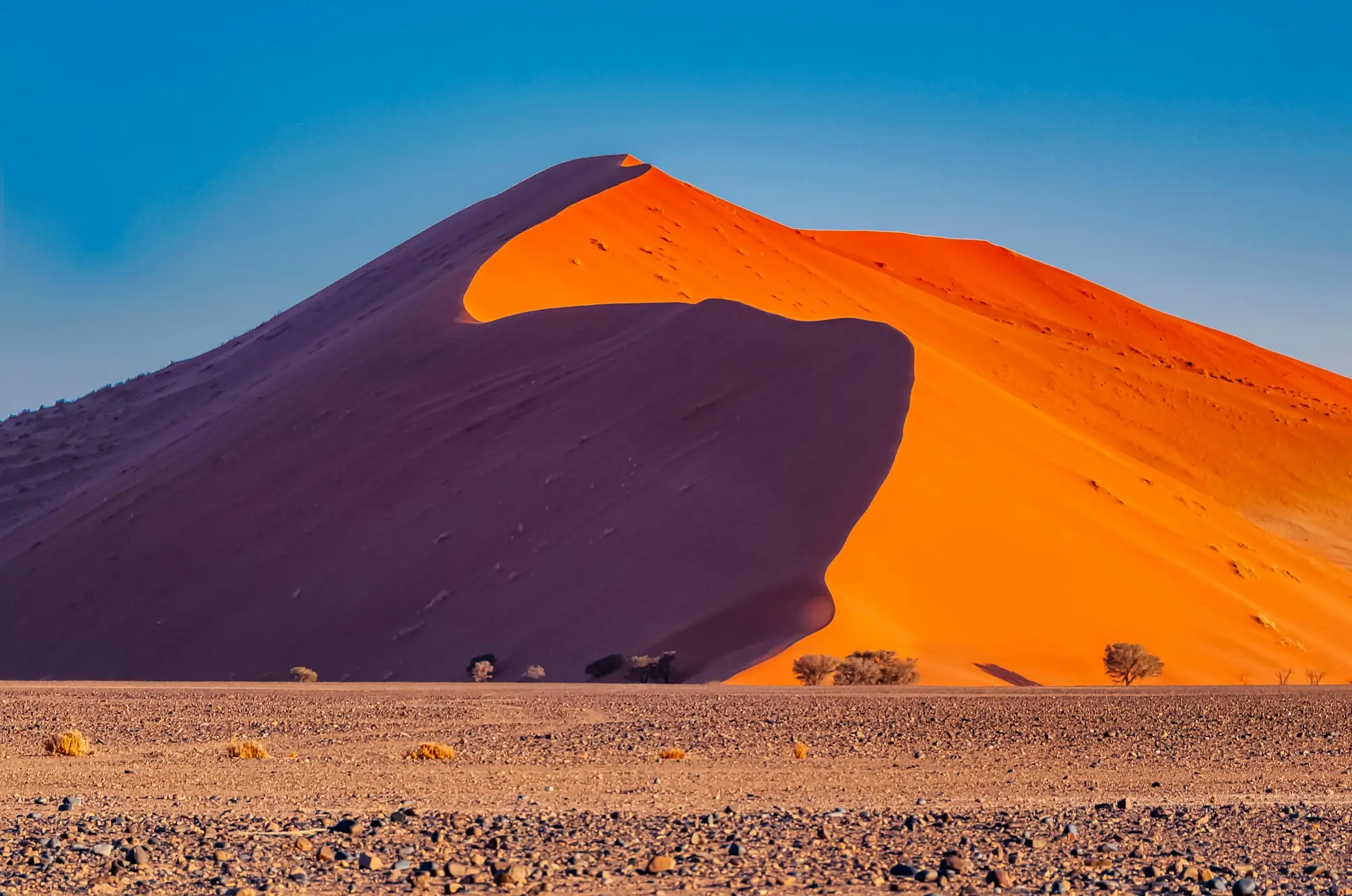
A huge red-orange dune split by shadow rises over a gravel plain at Sossusvlei, Namibia.
The far places do not keep a calendar for visitors. Their seasons are set by heat, water, wind and light, and the right month makes the difference between a good journey and the one you talk about for years. Here are four, and when the desk sends people to each.
The Namib, Namibia
The cooler, clearer months run roughly from May to October. Days are milder than in the southern summer and nights turn cold. Sources disagree on the best weeks: some favour late June to October, others note that July and August are the windiest months.
The Okavango Delta, Botswana
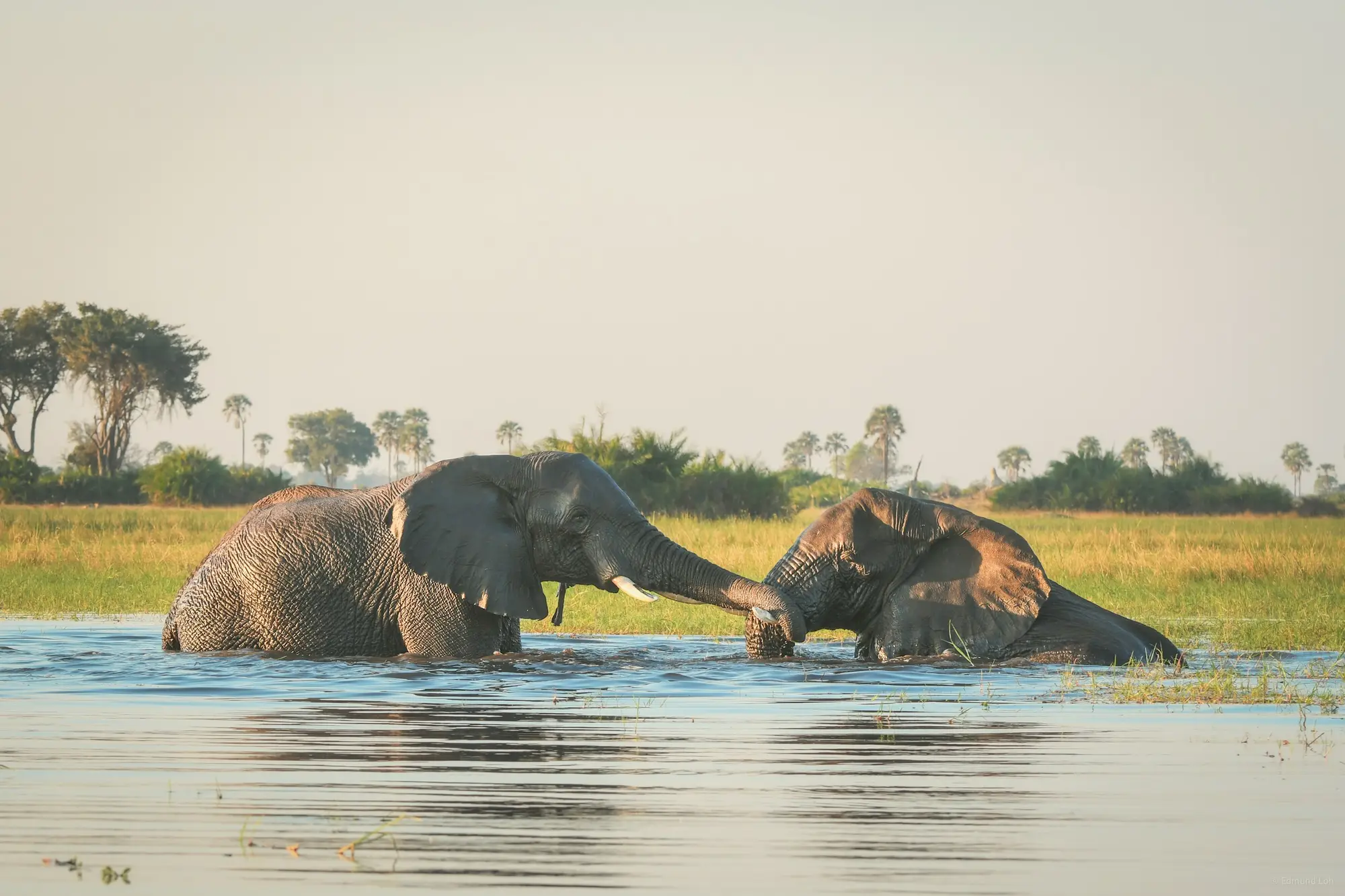
The delta works backwards. Its floodwater comes from rain that fell months earlier in the Angolan highlands, so the water peaks in the dry season, around June to August. The exact week shifts from year to year with that distant rain.
Patagonia, Chile and Argentina
The season runs from October to April, and it is busiest from December to February, when the days are longest and most trails are open. The shoulder months bring fewer visitors and, in autumn, colour.
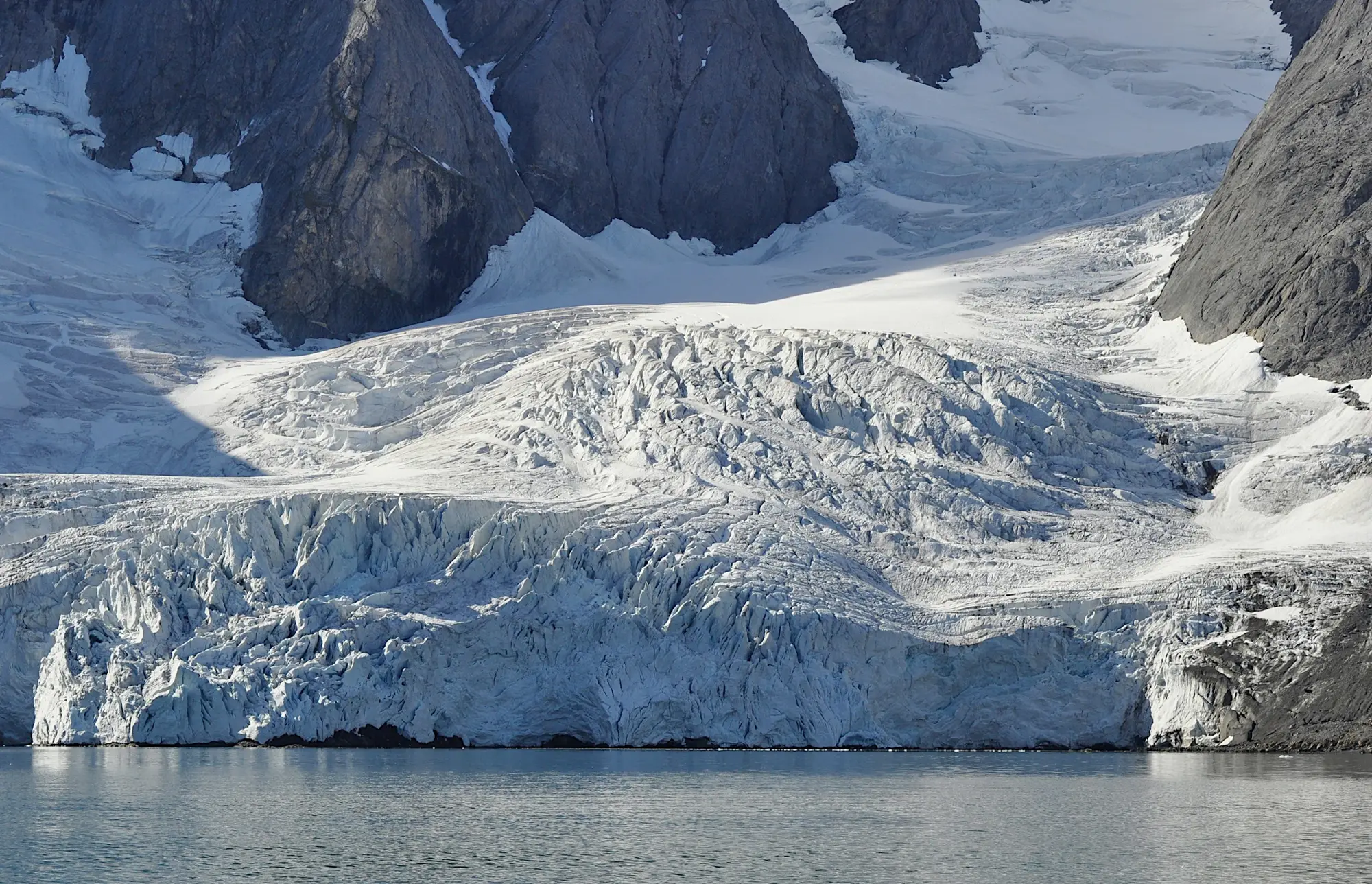
Svalbard, Norway
Visit Svalbard gives the midnight sun as roughly 20 April to 23 August, and the polar summer season as mid-May to the end of September. In winter the light reverses: the polar night runs from about mid-November to the end of January.
The right month makes the difference between a good journey and the one you talk about for years.